
Choosing between indoor and outdoor CCTV systems is one of the first real decisions commercial property owners face when planning a video surveillance setup. It sounds straightforward, but get it wrong and you end up with blind spots, weather-damaged equipment, or cameras in the wrong locations entirely. We have been helping businesses across Los Angeles, Anaheim, Burbank, Glendale, Torrance, and surrounding Southern California areas think through exactly these decisions since 1987, so here is a practical way to approach it.
Start With the Threats You Are Actually Trying to Address
Before you look at a single camera spec, get clear on what you are protecting against. Outdoor cameras are built to handle perimeter breaches, parking lot incidents, loading dock activity, and after-hours intrusions. Indoor cameras focus on internal theft, access point monitoring, cash handling areas, server rooms, and employee safety.
Most commercial properties in areas like Glendale or Torrance need both. A warehouse in the City of Industry, for instance, might need ruggedized outdoor units covering the yard and entrance gates, plus indoor cameras watching the floor and office areas. The threat map drives the camera map. Start there.
Understand What Separates Outdoor and Indoor Cameras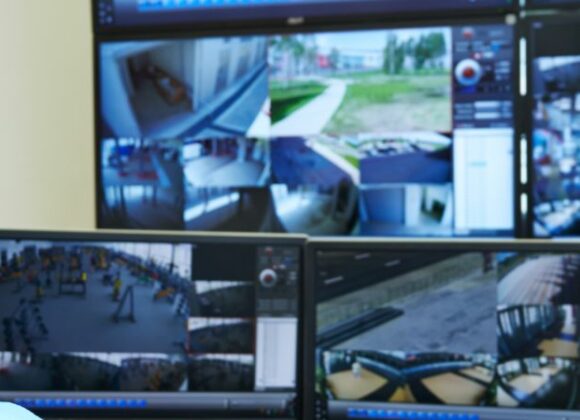
The differences go well beyond where you mount them. Outdoor CCTV systems are built to handle Southern California’s heat, occasional rain, dust, and direct sunlight. Look for cameras with a solid IP rating (IP66 or IP67 is common for commercial outdoor use), infrared night vision capable of covering longer distances, and vandal-resistant housings. Wide dynamic range is also important outdoors, where lighting shifts dramatically from bright midday sun to dark parking lots at night.
Indoor cameras generally do not need the same rugged housing, which means manufacturers can put more of the budget into image quality, wider field of view, and features like two-way audio or more refined motion detection. That said, indoor cameras used near windows or in spaces with variable lighting still benefit from good dynamic range.
Resolution matters in both environments. For commercial properties where you may need to identify individuals or read license plates, higher resolution cameras are worth the investment.
Coverage Areas and Camera Placement
Outdoor coverage is about perimeter and entry. Think about all the ways someone could approach or enter your property: parking lots, loading docks, side gates, rooftop access points, and main entryways. Businesses in dense areas like Los Angeles or Anaheim often have complex perimeters with multiple access points, and each one is a coverage priority.
Indoor placement follows traffic and value. Front desks, stairwells, elevators, stockrooms, server closets, and cash registers are common starting points. For multi-tenant buildings or office parks in Burbank and surrounding areas, hallways and shared entryways deserve coverage too.
One thing we always remind clients: camera placement and field of view need to be planned together. A camera mounted in the wrong spot, even a great camera, leaves gaps that defeat the purpose of the whole system.
Integration Makes the Whole System Work
A well-designed CCTV system does not operate in isolation. At D&S Security, we integrate video surveillance with access control and alarm monitoring so your cameras, sensors, and alerts work as a coordinated system. Our UL Central Station Monitoring means there is professional oversight around the clock, not just footage sitting on a hard drive somewhere.
Remote access is another piece of this. Through smartphone and computer integration, property managers and business owners can check live feeds and review recorded footage from anywhere. For companies headquartered in Southern California with operations in other states, that kind of visibility matters a great deal.
A Few Practical Questions to Ask Before You Decide
How many entry and exit points does the property have? Are there areas with low light or extreme sun exposure? Does your lease or building management have restrictions on exterior mounting? Do you need footage retention for compliance or insurance purposes? Are there interior areas that require privacy considerations?
None of these questions have universal answers, which is exactly why a professional assessment is worth doing before purchasing equipment. We have seen plenty of properties across the greater Los Angeles area where the initial camera plan needed significant adjustment once someone actually walked the site.
Getting the Right System in Place
There is no single formula that works for every commercial property. The right mix of indoor and outdoor CCTV systems depends on your layout, your risks, your industry, and your budget. What we can say with confidence, after more than three decades working with businesses throughout Southern California, is that a thoughtful plan at the start saves a lot of frustration later.
If you are weighing your options or want a site assessment, please give us a call or drop us an email. We are happy to talk through what makes sense for your property.