
A fire alarm system and a smoke detector are not the same thing, and knowing the difference could genuinely matter when you need it most. Many homeowners and business owners in Los Angeles, Burbank, and across Southern California assume these terms are interchangeable. They are not, and confusing the two can leave a property far more vulnerable than it needs to be.
What a Smoke Detector Actually Does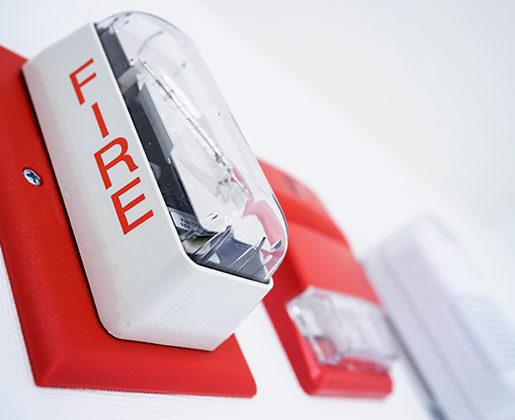
A standalone smoke detector is a single-unit sensing device. It detects smoke, sounds a local alarm, and that is essentially where its job ends. The alert is audible only to anyone physically present in or near the building at that moment. If no one is home, or if the building is large enough that the sound does not carry, the alarm goes unheard. Smoke detectors are better than nothing, certainly, but they are a starting point, not a complete solution.
Most residential smoke detectors run on a battery or a hardwired connection, and they require regular testing and battery replacement to stay reliable. A detector that has been sitting idle with a dead battery offers exactly zero protection.
What a Fire Alarm System Provides
A fire alarm system is a network. It integrates multiple detection devices, pull stations, control panels, and often sprinkler or waterflow monitoring components into a single, coordinated system. When any part of that network is triggered, the whole system responds.
The critical distinction is what happens next. With a professionally installed and monitored fire alarm system, an alert does not just ring inside the building. It signals our UL-certified central station, where trained monitoring staff can immediately contact the fire department and the property owner, regardless of whether anyone is on-site. For a warehouse in Long Beach, a commercial property in Anaheim, or a multifamily building in Torrance, that kind of rapid, reliable response is not optional. It is essential.
Commercial properties in California are also subject to fire code requirements that a few consumer-grade smoke detectors simply cannot satisfy. A properly designed fire alarm system, installed by licensed professionals, is built to meet those standards from the ground up.
The Monitoring Factor Changes Everything
One of the most important things we tell clients, whether they are homeowners or facility managers, is that equipment without monitoring leaves a gap. A smoke detector beeping in an empty house accomplishes very little. A fire alarm system connected to our UL central station monitoring means someone is always paying attention, around the clock, every day of the year.
We have been providing that kind of coverage to clients throughout Southern California since 1987. In nearly four decades of work, one thing has stayed constant: the properties that fare best in emergency situations are the ones where detection and response are connected, not separated.
Which One Does Your Property Actually Need?
For most single-family homes, a properly installed and interconnected smoke detector system with monitored backup is a solid foundation. For commercial properties, multi-unit residential buildings, and businesses with significant assets or occupancy, a full fire alarm system is the appropriate choice. Businesses headquartered in the Los Angeles area with operations elsewhere in the country often find it easier to manage fire and security compliance through a single trusted provider who understands both local requirements and broader operational needs.
Our team holds the licensing and industry certifications to assess your specific situation accurately. We carry C-10 license number 1018244 and ACO license number 7555, and we are active members of alarm industry associations that keep us current on best practices and code changes. We do not take a one-size approach; we look at the building, the use, and the risk before making any recommendations.
A Quick Note on Integration
Modern fire alarm systems can also integrate with access control, CCTV, and burglar alarm systems, giving you a more complete picture of your property’s safety from a single interface. Remote access through a smartphone or computer means you stay informed even when you are not on-site. That kind of layered protection is something we design and install for clients across Los Angeles, Burbank, Anaheim, Long Beach, Torrance, and surrounding Southern California areas every day.
If you are not certain whether your current setup genuinely protects your property, or if you are starting from scratch and want to get it right, please give us a call or drop us an email. We are happy to talk through your situation and help you figure out what makes sense.